



Lung Cancer Screening: Early Detection,
Risk Factors and Screening Options
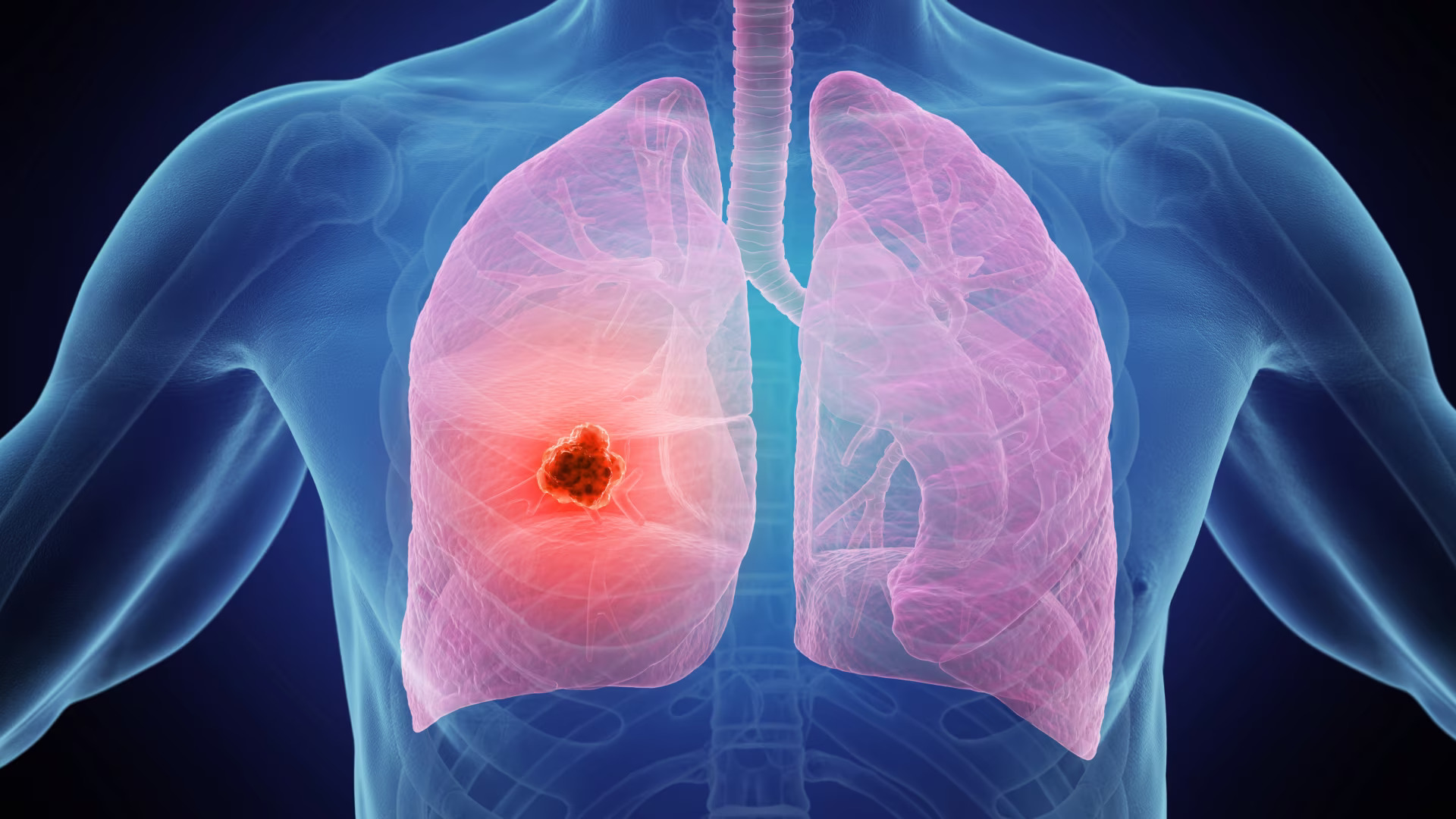
Lung cancer screening is an important approach for identifying lung cancer at an earlier stage in people who have a higher risk of developing the disease. Early detection may provide more treatment options and can improve the chances of successful treatment.
Dr. Vibhor Mahendru, Surgical Oncologist at Medanta Super Speciality Hospital, Lucknow, helps patients understand lung cancer risk factors, screening options, diagnostic evaluation and treatment planning. Screening recommendations depend on factors such as age, smoking history and overall health.
What Is Lung Cancer Screening?
Lung cancer screening involves testing people who do not have symptoms of lung cancer but may have a higher risk of developing the disease. The primary screening test recommended for eligible high-risk individuals is low-dose computed tomography, commonly called a low-dose CT scan or LDCT.
Lung cancer screening is different from diagnostic testing. If a person has symptoms such as persistent coughing, coughing up blood or unexplained weight loss, a doctor may recommend diagnostic tests regardless of whether the person meets routine screening criteria.
Why Is Lung Cancer Screening Important?
Lung cancer can develop without obvious symptoms during its early stages. By the time symptoms become noticeable, the disease may already be more advanced.
For people at increased risk, appropriate screening can help identify suspicious lung abnormalities earlier. Earlier detection can sometimes allow treatment when the cancer is smaller and more manageable.
Screening is not appropriate for everyone. It should be based on an individual's risk factors and a discussion with a qualified healthcare professional.
Who May Benefit From Lung Cancer Screening?
Lung cancer screening is generally considered for people who have a significant history of cigarette smoking and fall within an appropriate age range according to current screening recommendations.
Eligibility can also depend on whether a person currently smokes or quit smoking within a specified period. Screening guidelines may change over time, so patients should discuss their eligibility with their doctor.
People who have other potential risk factors, such as occupational exposure to certain substances or a significant family history, should also discuss their individual risk with a healthcare professional.
Low-Dose CT Scan for Lung Cancer Screening
A low-dose CT scan uses a lower amount of radiation than a standard chest CT while creating detailed images of the lungs. It can identify small lung nodules or other abnormalities that may not be visible on a conventional chest X-ray.
If an abnormality is identified, it does not automatically mean that the person has lung cancer. Additional imaging, follow-up scans or other diagnostic procedures may be recommended depending on the size and characteristics of the finding.
Who Should Talk to a Doctor About Lung Cancer Screening?
You should discuss lung cancer screening with a healthcare professional if you have a substantial smoking history, currently smoke, previously smoked or have other factors that may increase your risk.
A doctor can review your age, smoking history, medical background and other risk factors to determine whether screening may be appropriate.
Smoking and Lung Cancer Risk
Smoking is the leading preventable risk factor for lung cancer. Cigarette smoke contains substances that can damage lung cells and increase the likelihood of cancer developing over time.
Stopping smoking is one of the most important steps a person can take to reduce their risk of lung cancer. People who have stopped smoking can still have an elevated risk depending on their previous smoking history, which is why screening eligibility may include former smokers.
Avoiding tobacco exposure can also help reduce the risk of other cancers and improve overall health.
Symptoms That May Require Lung Cancer Evaluation
Lung cancer screening is intended for people who do not have symptoms. If you develop persistent or concerning symptoms, you should seek medical evaluation rather than waiting for a screening appointment.
- A persistent or worsening cough
- Coughing up blood
- Unexplained weight loss
- Persistent chest pain
- Shortness of breath
- Repeated respiratory infections
- Persistent hoarseness
- Unexplained fatigue or weakness
These symptoms can occur because of conditions other than lung cancer. However, persistent or unexplained symptoms should be evaluated by a qualified healthcare professional.
What Happens After an Abnormal Lung Screening Result?
An abnormal lung screening result does not necessarily mean that cancer is present. Lung nodules can occur for many reasons, including previous infections, inflammation or benign conditions.
Depending on the imaging findings, the doctor may recommend repeat imaging after a specific interval, additional CT scans, PET imaging, bronchoscopy or a biopsy.
The appropriate next step depends on the size, location and appearance of the abnormality as well as the patient's overall risk profile.
Lung Cancer Diagnosis and Treatment
If testing confirms lung cancer, treatment depends on the type and stage of the disease and the patient's overall health. Treatment may include surgery, chemotherapy, radiation therapy, targeted therapy, immunotherapy or a combination of treatments.
Surgery may be considered for selected patients, particularly when lung cancer is detected at a stage where the tumor can be removed safely and completely.
Patients searching for Chemotherapy in lucknow should discuss the complete treatment plan with their oncology team because chemotherapy is not appropriate or necessary for every lung cancer patient.
Lung Cancer Screening in Lucknow
Patients in Lucknow who are concerned about lung cancer risk can discuss screening and diagnostic evaluation with an experienced cancer specialist. Dr. Vibhor Mahendru, Surgical Oncologist at Medanta Super Speciality Hospital, Lucknow, provides specialist guidance for patients requiring cancer evaluation and surgical oncology care.
The decision to undergo screening should be based on individual risk factors and appropriate medical recommendations rather than screening simply because of general health concerns.
Choosing a Cancer Specialist in Lucknow
Choosing the right specialist is an important part of cancer care. Patients should consider the doctor's qualifications, cancer-specific experience, diagnostic facilities, surgical expertise and access to multidisciplinary treatment.
If you are searching for the best Cancer specialist in lucknow, consider the complete cancer-care setup rather than relying only on online ratings or rankings.
Patients looking for a Best breast cancer surgeon in luckno should similarly focus on relevant breast cancer surgical expertise and comprehensive cancer care when seeking treatment for breast-related conditions.
Why Multidisciplinary Cancer Care Matters
Cancer treatment often involves more than one medical specialty. Depending on the diagnosis, a patient's care may involve a surgical oncologist, medical oncologist, radiation oncologist, radiologist, pathologist and other healthcare professionals.
A multidisciplinary approach can help the medical team evaluate diagnostic findings and develop a treatment plan appropriate for the cancer's stage, type and individual patient factors.
Dr. Vibhor Mahendru, Surgical Oncologist at Medanta Super Speciality Hospital, Lucknow, can help patients understand the role of surgery and how it may fit into a broader lung cancer treatment plan.
Lung Cancer Prevention and Risk Reduction
While screening can help detect lung cancer earlier in people at increased risk, prevention remains important. The most effective way to reduce lung cancer risk is to avoid tobacco use and stop smoking if you currently smoke.
Reducing exposure to secondhand smoke and certain workplace or environmental substances may also help reduce risk.
Maintaining a healthy lifestyle, staying physically active and following appropriate medical advice can support overall health, although no lifestyle measure can completely eliminate the risk of lung cancer.
When Should You Consult a Cancer Specialist?
You should consider consulting a cancer specialist if you have a significant smoking history, concerning respiratory symptoms, an abnormal lung scan or other factors that may increase your risk of lung cancer.
Early medical evaluation can help determine whether you need screening, additional diagnostic testing or another form of medical assessment.
If you are looking for the best Cancer specialist in lucknow, consider relevant cancer-specific experience, diagnostic capabilities, surgical facilities and access to comprehensive treatment and follow-up care.
Lung Cancer Screening: Key Takeaway
Lung cancer screening can help identify lung cancer earlier in people who meet appropriate high-risk criteria. Low-dose CT is the primary screening method used for eligible individuals, while people with symptoms may require diagnostic evaluation instead.
Smoking cessation remains one of the most important ways to reduce lung cancer risk. If you have a significant smoking history or concerns about lung cancer, discuss your individual risk and screening eligibility with a qualified healthcare professional.
Dr. Vibhor Mahendru, Surgical Oncologist at Medanta Super Speciality Hospital, Lucknow, helps patients understand cancer evaluation and surgical oncology options based on their individual medical needs.
Whether you are researching lung cancer screening or looking for the best Cancer specialist in lucknow, choosing evidence-based medical guidance and comprehensive cancer care is important.
FAQs About Lung Cancer Screening
Lung cancer screening is testing performed in people who do not have symptoms but have a sufficiently high risk of developing lung cancer. Low-dose CT is the primary screening test used for eligible high-risk individuals.
A standard chest X-ray is not the recommended primary screening test for lung cancer in high-risk individuals. Low-dose CT is used because it can detect smaller abnormalities in the lungs.
A consultation with the best oncologist in Lucknow may be appropriate after a confirmed cancer diagnosis, when abnormal tests require specialist evaluation, or when a patient wants guidance about treatment options or a second opinion.
No. An abnormal CT finding does not automatically mean lung cancer. Lung nodules and other abnormalities can have several causes. Additional evaluation may be recommended depending on the imaging findings and individual risk.
People with a significant smoking history may qualify for lung cancer screening depending on their age, smoking history and current or former smoking status. A healthcare professional can assess individual eligibility.
People concerned about lung cancer can discuss their risk and screening options with a qualified cancer specialist. Dr. Vibhor Mahendru, Surgical Oncologist at Medanta Super Speciality Hospital, Lucknow, can provide guidance regarding cancer evaluation and appropriate surgical oncology care.